
Cannabis interacts directly with our body through an extensive network of receptors called the endocannabinoid system (ECS). The human body produces neurotransmitters identical to tetrahydrocannabinol (THC) — and these endogenous cannabinoids bind to receptors throughout our brain and body.
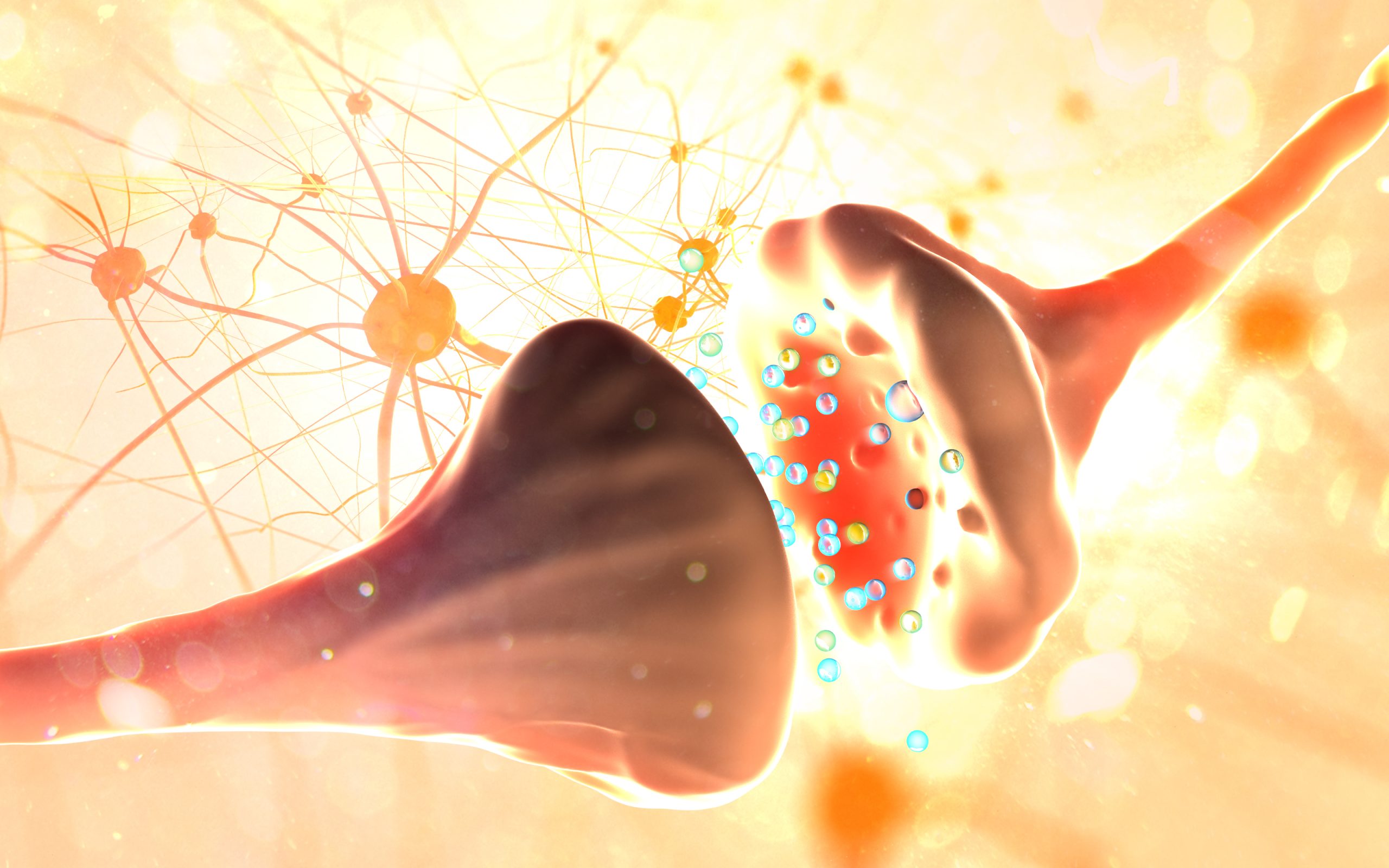
The ECS was only discovered in the early 1990s — and cannabinoid research was limited until recently because of prohibition. It’s thought to be one of the most important physiological systems in our body: there are receptors in almost every organ and more endocannabinoid receptors in the brain than all other neurotransmitter receptors combined.
As we slowly learn more about the ECS and its involvement in illness, schools are now including this in their curricula and countries are recognising cannabis as a medicine.
CB1 and CB2 Receptors
Two receptor types do most of the work — and each governs different functions of the body.
Brain & nervous system
- Learning & memory
- Pain reduction
- Reducing addictive tendencies
- Nerve inflammation & degeneration
- Metabolism, appetite, bone mass, heart function
Immune & inflammation
- Allergic and autoimmune conditions
- Inflammatory and neurodegenerative diseases
- Osteoporosis (loss of bone mass)
- Chronic pain
- Stress responses
Homeostasis — The ECS Restores Balance
The function of the ECS is to maintain a state of balance in the body — homeostasis. When neurotransmitter levels are off, when inflammation is running high or when metabolic processes go awry, the ECS steps in to restore the chemicals that are unbalanced.
Through this system, the body regulates pain, mood, sleep, appetite, the immune system and many other functions. In short, the ECS serves to sleep, eat, relax, forget and protect.
The body produces two endogenous cannabinoids: anandamide (AEA) and 2-arachidonoylglycerol (2-AG). These bind to CB1 and CB2 on demand to produce their effect — and are then broken down by metabolic enzymes, making the effect short-lived.
Endocannabinoid Deficiency
When the ECS doesn’t work properly, several systems can be affected. Most cases of fibromyalgia, irritable bowel syndrome (IBS) and migraines are now understood to involve endocannabinoid deficiency (Dr Ethan Russo, 2016).
Symptoms of endocannabinoid dysfunction include hypersensitivity to pain, mood abnormalities, anxiety, gastrointestinal disturbances and insomnia. In severe cases, the body becomes hypersensitive to almost everything — patients suffer from allergies, food intolerances, chronic pain and often can’t tolerate most medications.
Supporting Your ECS
For patients with endocannabinoid dysfunction or deficiency, lifestyle factors matter a lot.
- Diet: Avoid refined sugars and processed foods, which may worsen hypersensitivity and increase pain. Gluten and lactose intolerance are also common.
- Exercise: Regular movement at your fitness level — exercise produces neurotransmitters that boost the ECS.
- Vitamins & minerals: Magnesium, Omega 3 and vitamins B, C, D and E are essential for proper ECS function. Supplements often help reach recommended levels.
- Probiotics: A healthy gut microbiome supports a healthy ECS.
Stress directly affects the endocannabinoid system. Long periods of stress overwork it — and eventually it “burns out”.

When endocannabinoid deficiency is established — as in fibromyalgia — stress aggravates symptoms and prevents healing. Chronic stress can also contribute to weight gain, diabetes, high blood pressure, heart disease, stroke, autoimmune disorders and cancer. It’s very often the root cause of inflammatory conditions.
Mindfulness-based stress reduction (MBSR) and mindfulness meditation are evidence-based ways to reduce stress and are recommended as adjuncts in the management of all chronic pain. Complementary therapies such as aromatherapy may also support well-being and enhance healing.
Where Cannabis-Based Medicines Fit
Cannabis-based medicines are powerful tools for patients with ECS abnormalities. They may be natural plant extracts or synthetic cannabinoids — both work by interacting with the CB1 and CB2 receptors to produce a therapeutic effect.
Curious about cannabis-based treatment for your condition?
Read our Medical Cannabis service